Discover Mazar-i-Sharif
A journey through spiritual landmarks, ancient history, and lush green landscapes
Explore Now
About Mazar-i-Sharif
Mazar-i-Sharif, meaning "Noble Shrine," is the fourth-largest city in Afghanistan and the capital of Balkh Province. Known for its peaceful atmosphere and cultural significance, the city serves as a major economic and cultural hub in northern Afghanistan.
Rich Cultural Heritage
Home to diverse ethnic groups including Tajiks, Uzbeks, Hazaras, and Pashtuns, creating a vibrant cultural tapestry.
Strategic Location
Historically positioned at the crossroads of ancient trade routes, connecting Central Asia with the Indian subcontinent.
Spiritual Significance
A major pilgrimage site for Muslims, centered around the iconic Blue Mosque, known for its deep spiritual and cultural significance.
Spiritual Landmarks
Explore the magnificent spiritual and historical sites that make Mazar-i-Sharif a treasure trove of cultural heritage.
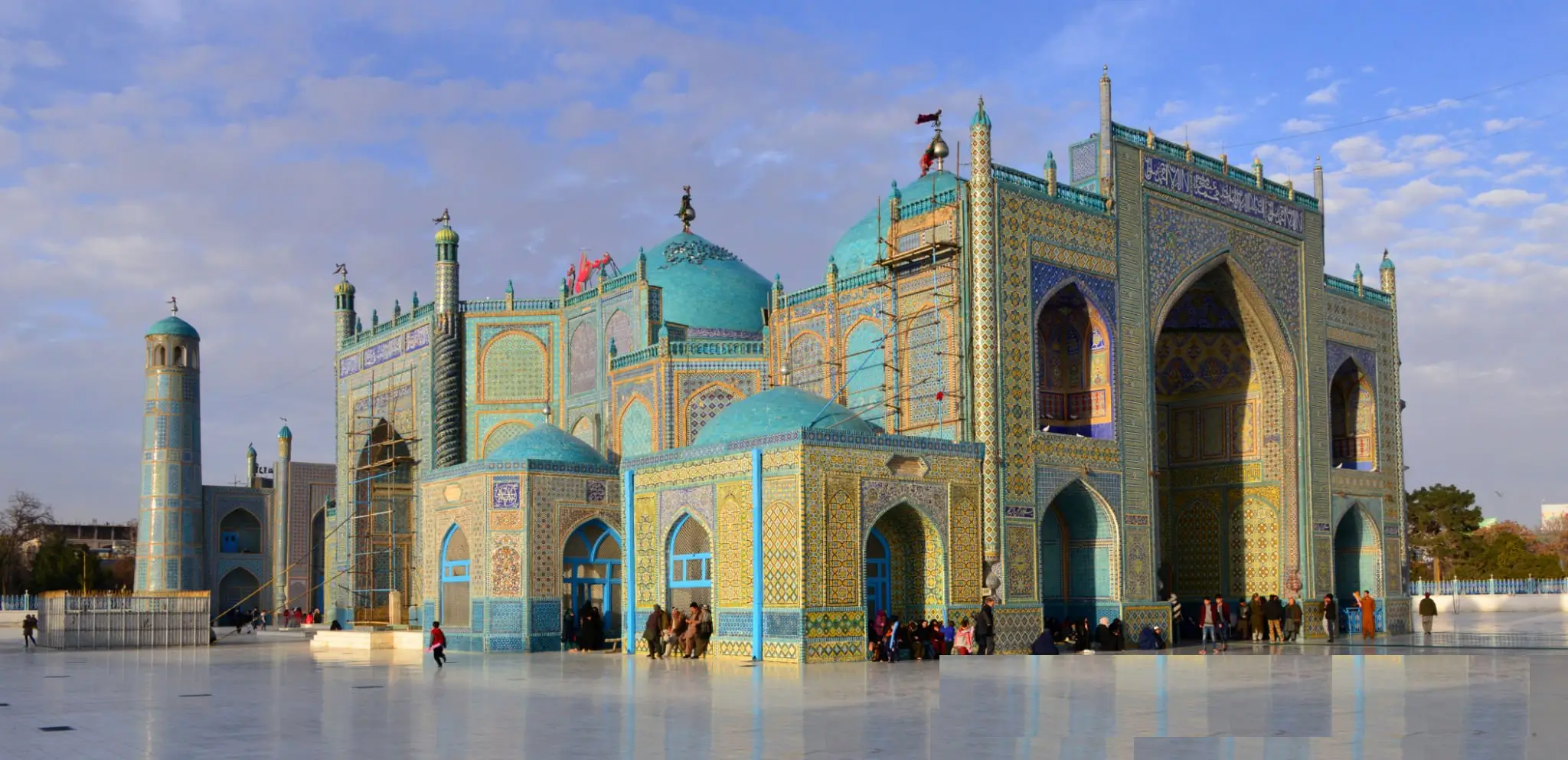
Blue Mosque (Shrine of Hazrat Ali)
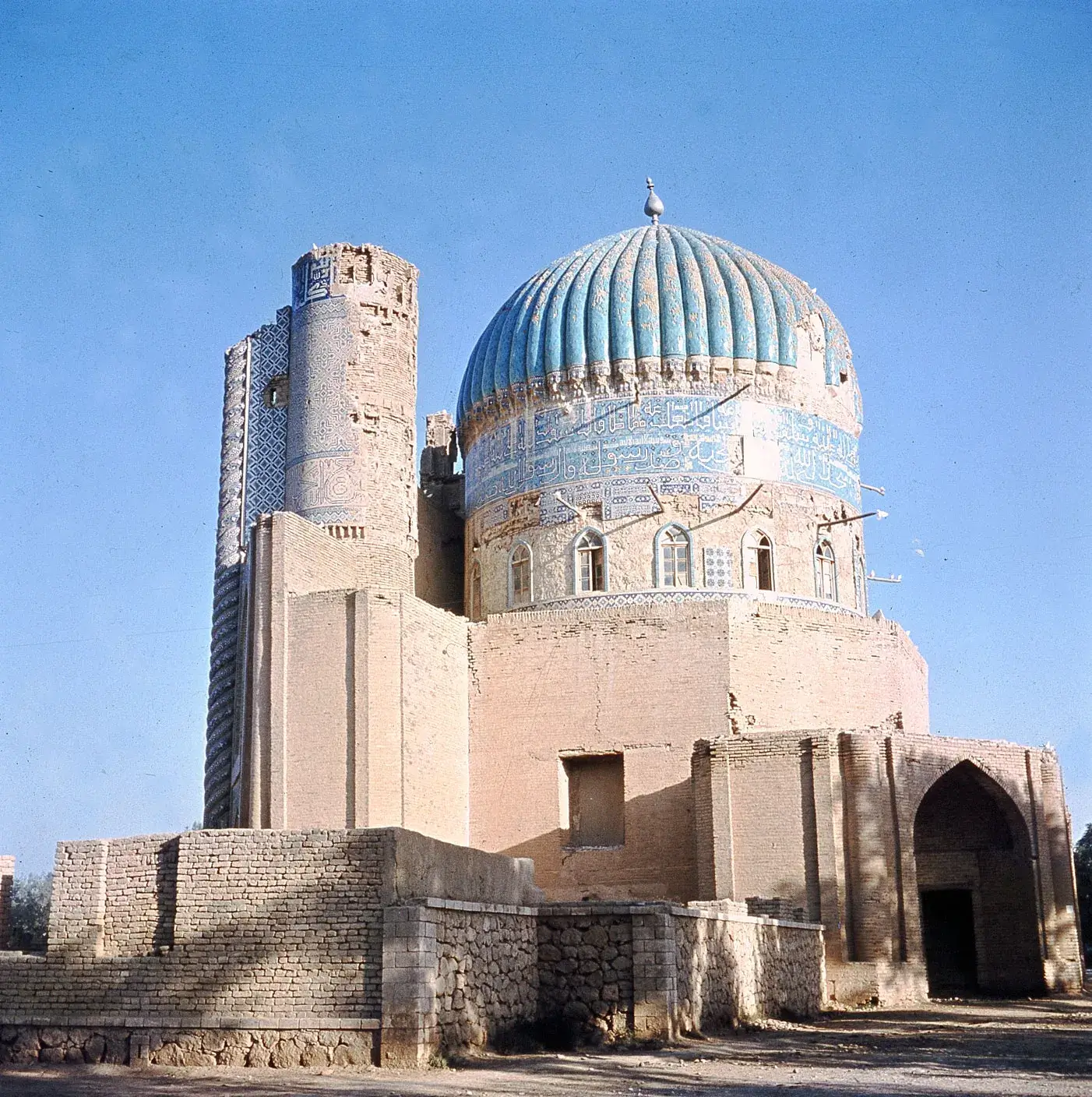
The Blue Mosque, or Shrine of Hazrat Ali, is Mazar-e Sharif’s most famous landmark. Built in the 15th century, its stunning blue domes and detailed tilework make it one of the most beautiful mosques in the Islamic world. Believed to be the burial site of Hazrat Ali ibn Abi Talib, the fourth Caliph of Islam, it attracts thousands of pilgrims each year.
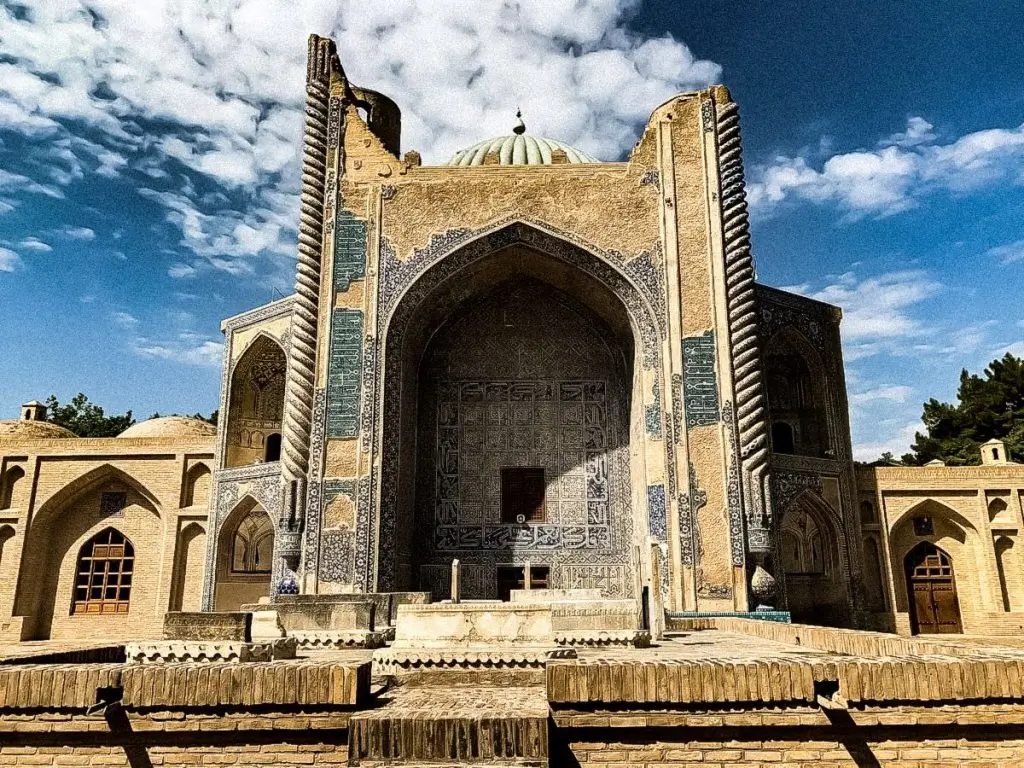
Ancient City of Balkh
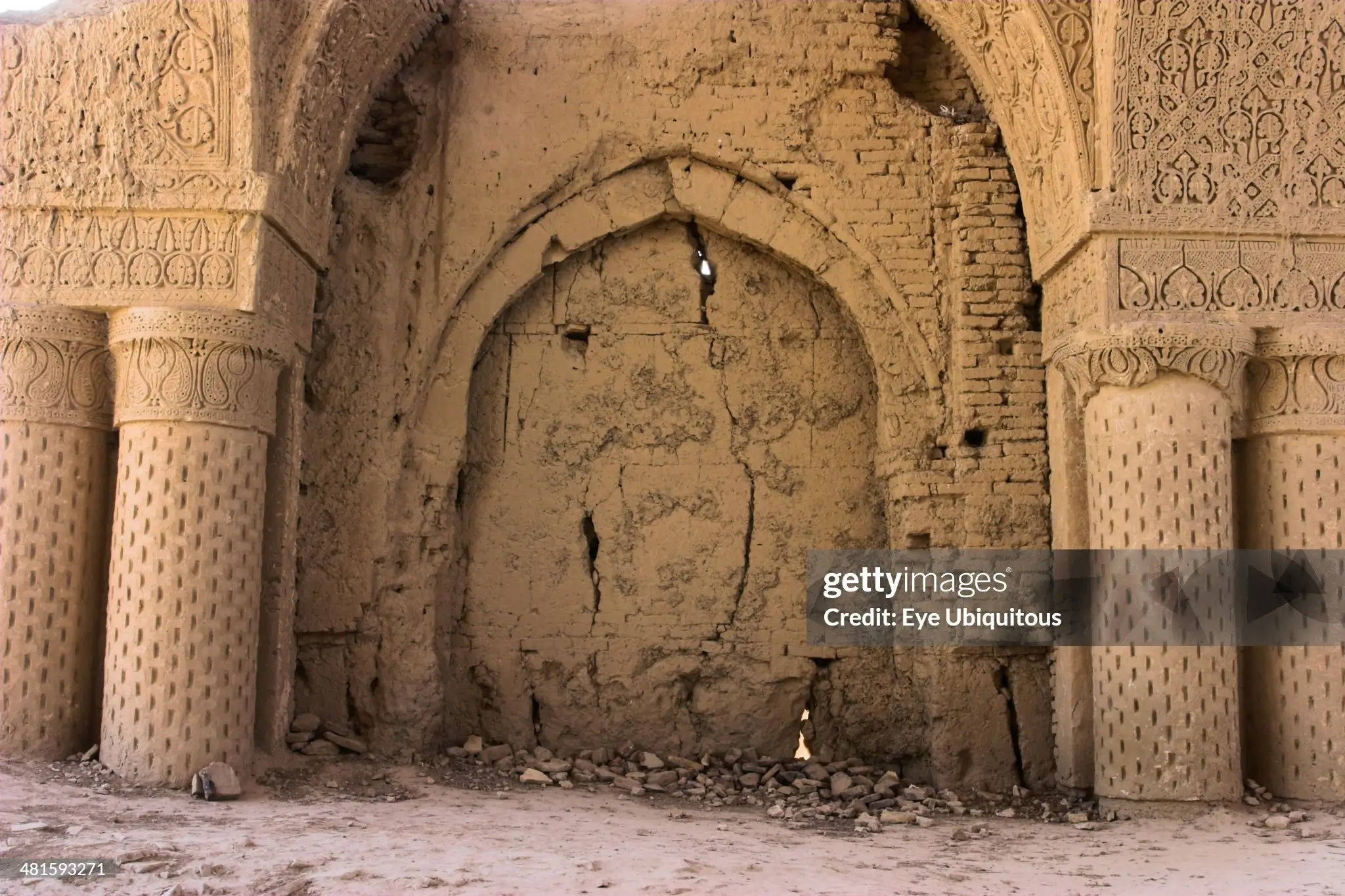
Often called the 'Mother of Cities,' Balkh is among the oldest continuously inhabited cities in the world. Situated near Mazar-i-Sharif, this ancient settlement was a thriving center for Buddhism, Zoroastrianism, and later, Islam. Today, visitors can explore the impressive ruins of this UNESCO World Heritage site and uncover its rich layers of history and cultural heritage.
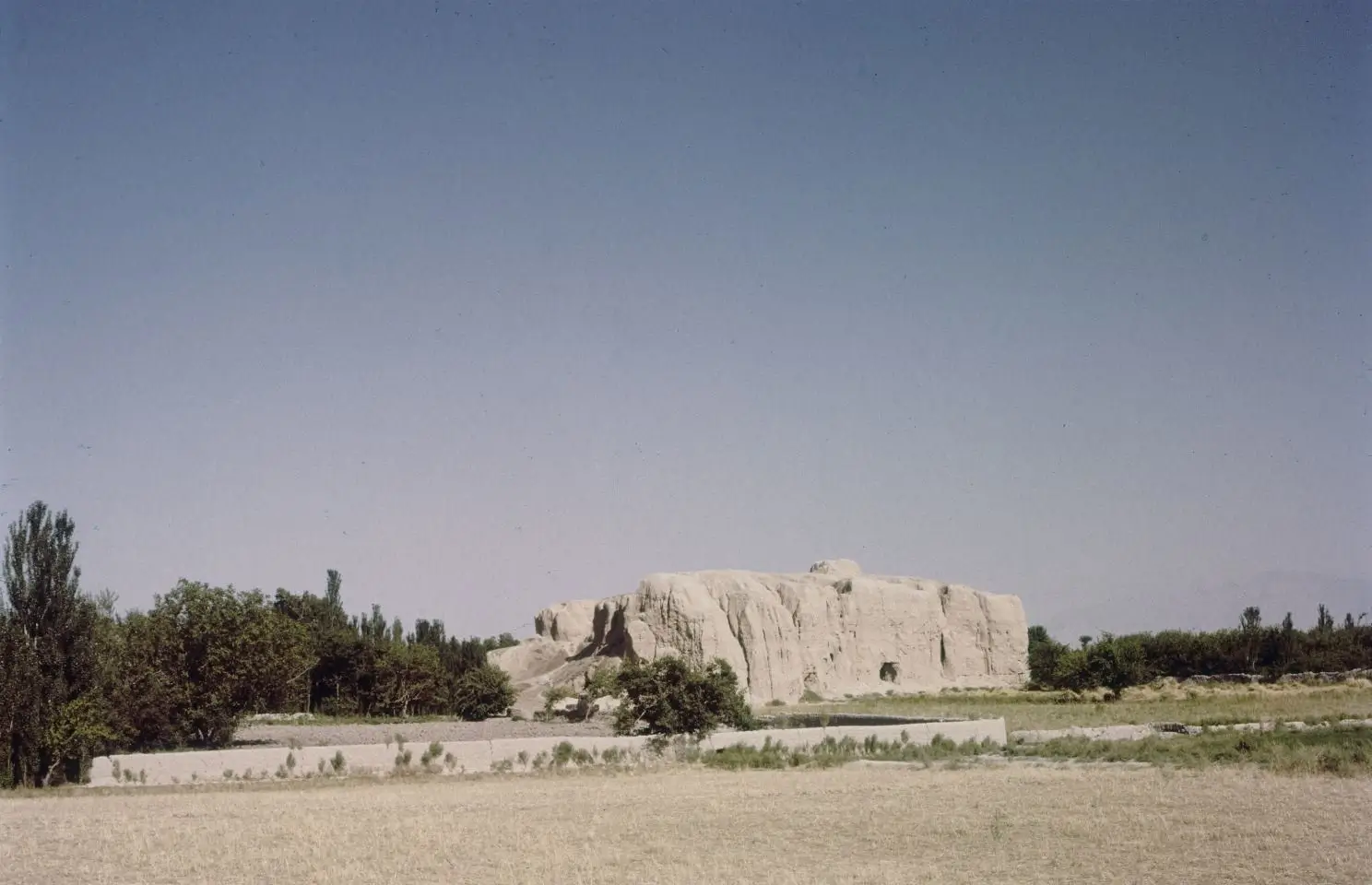
Takht-e Rustam
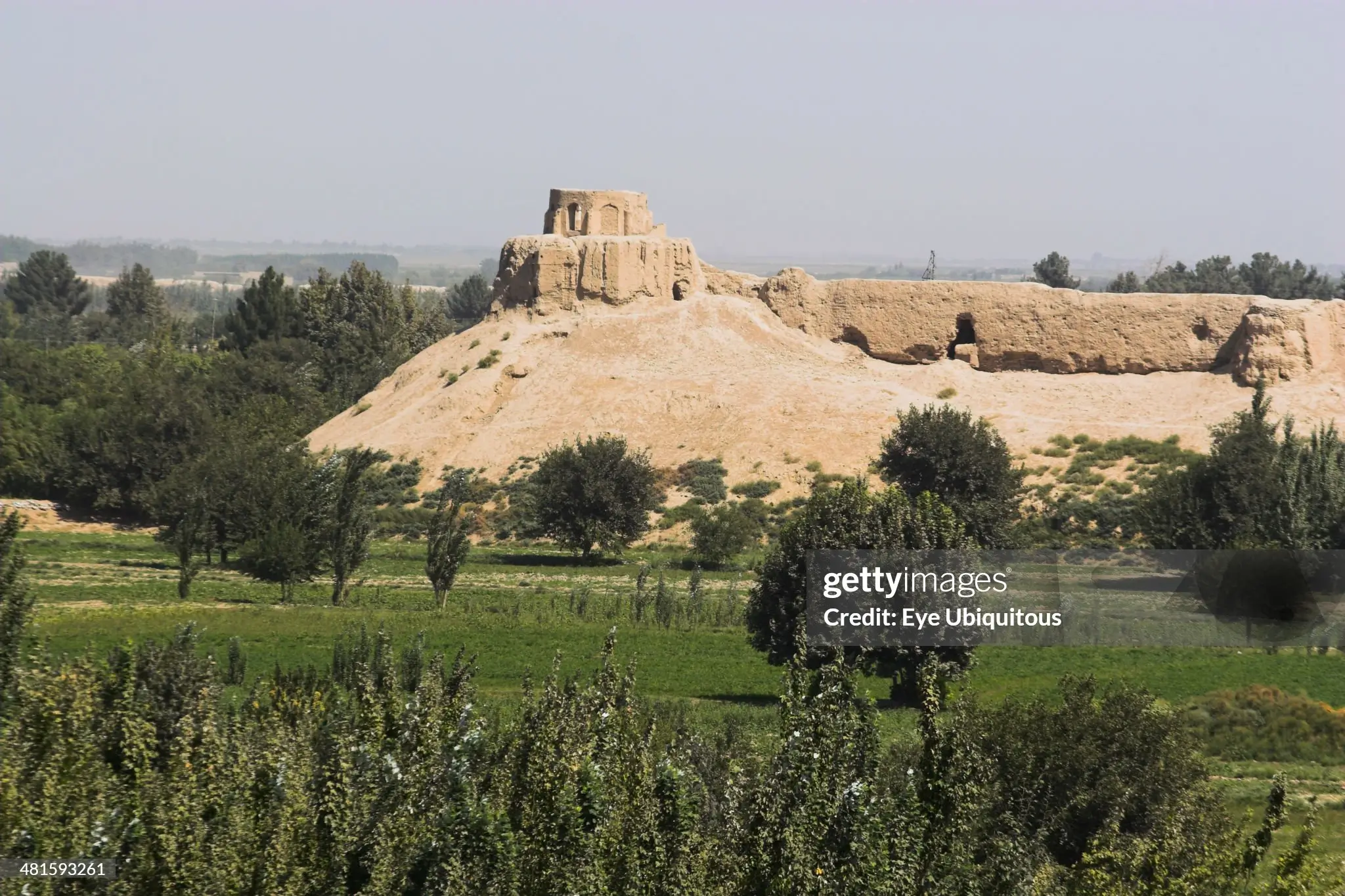
Takht-e Rustam, situated approximately 700 meters south of the ancient city walls of Balkh, is an archaeological site believed to be associated with the Buddhist monastery known as Naw Bahar (New Monastery). Dating back to the 2nd to 4th centuries CE, this site was a significant center during the pre-Islamic period. It is also recognized as a potential ancestral home of the Barmakid family, who later rose to prominence under the early Abbasid caliphs. The site is in proximity to Tepe Rustam, which contains the ruins of a stupa.
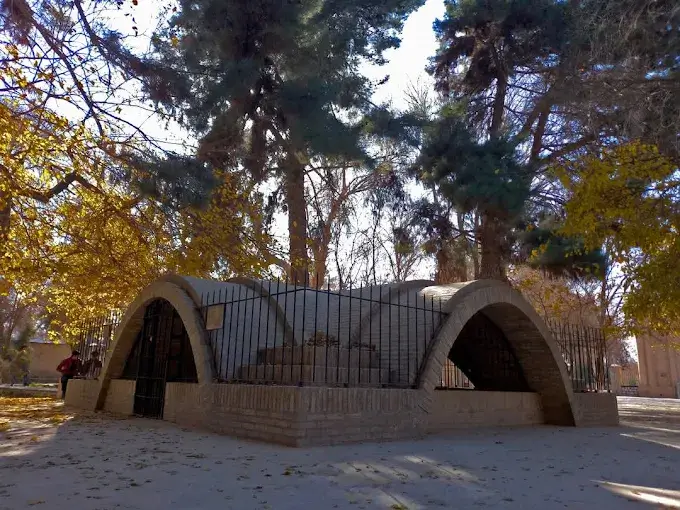
Tomb of Rabia Balkhi
Pay homage to one of the first female poets in Persian literature at the tomb of Rabia Balkhi. Born in the 10th century in Balkh, her tragic love story and powerful poetry continue to inspire. Her modest mausoleum features traditional Afghan architecture with turquoise tiles and Persian calligraphy. The site attracts visitors who come to pay respects and reflect on her literary legacy and cultural significance.
Rich Historical Legacy
Discover the fascinating history of Mazar-i-Sharif and the surrounding Balkh region, once known as "Bactria" and considered the crossroads of civilizations.
Ancient Bactria (2500 BCE - 700 CE)
The region around Mazar-i-Sharif, historically known as Bactria, was one of the earliest centers of civilization in Central Asia. Archaeological evidence suggests human settlement dating back to at least 2500 BCE.
Bactria became a major center for Zoroastrianism around 1000 BCE, with the religion's founder Zoroaster (Zarathustra) believed to have lived and preached in the region.
The area was conquered by Alexander the Great in 329 BCE, becoming part of the Greco-Bactrian Kingdom that blended Hellenistic and Eastern cultures. This period saw remarkable artistic and cultural developments, including the Greco-Buddhist art style that influenced much of Asia.
Islamic Golden Age (700 - 1220 CE)
The Arab conquest in the 7th century brought Islam to the region. Balkh quickly became one of the most important centers of Islamic learning and culture, earning the title "Dome of Islam."
During this period, Balkh produced numerous scholars, philosophers, and poets, including the famous Persian poet Mawlana Jalaluddin Mohammad Balkhi (Rumi), who was born in Balkh in 1207 CE before his family moved to Konya (in modern Turkey).
The region flourished as part of various Islamic empires, including the Samanids, Ghaznavids, and Seljuks, becoming a crucial hub on the Silk Road trading network.
Modern Era (1747 - Present)
The modern city of Mazar-i-Sharif gained prominence in the late 18th century when a shrine was built after a local Mullah claimed to have discovered the tomb of Hazrat Ali ibn Abi Talib, the fourth Caliph of Islam.
The magnificent Blue Mosque was constructed in the 15th century and later expanded and renovated by various rulers. The city grew around this spiritual center, becoming the capital of Balkh Province.
In recent decades, Mazar-i-Sharif has experienced periods of conflict but has generally been more stable than other parts of Afghanistan, allowing for cultural preservation and economic development.
Cultural Significance
Mazar-i-Sharif’s culture reflects a blend of traditional Afghan customs. People commonly wear modest clothing such as Perahan Tunban, and Turbans. The local cuisine features hearty dishes like Qabuli Palaw, Mantoo, Bolani, and fresh flatbreads, often enjoyed with tea. Daily life revolves around family, hospitality, and community, with markets bustling with handcrafted goods and traditional carpets, reflecting the city’s rich heritage.
The city is famous for its traditional crafts, particularly carpet weaving. Balkh carpets are known worldwide for their intricate designs and high quality.
The region has contributed significantly to Persian literature and poetry, with notable figures like Rumi, Rabia Balkhi, and Khwaja Abdullah Ansari having connections to the area.
Natural Beauty
Explore the lush green areas and natural landscapes that surround Mazar-i-Sharif, offering a refreshing contrast to Afghanistan's more arid regions.
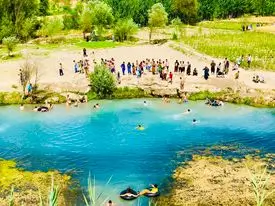
Sholgara District
Known for its picturesque valleys and agricultural lands, Sholgara offers stunning mountain views and fertile fields. The district is famous for its fruit orchards, particularly apricots, apples, and pomegranates.
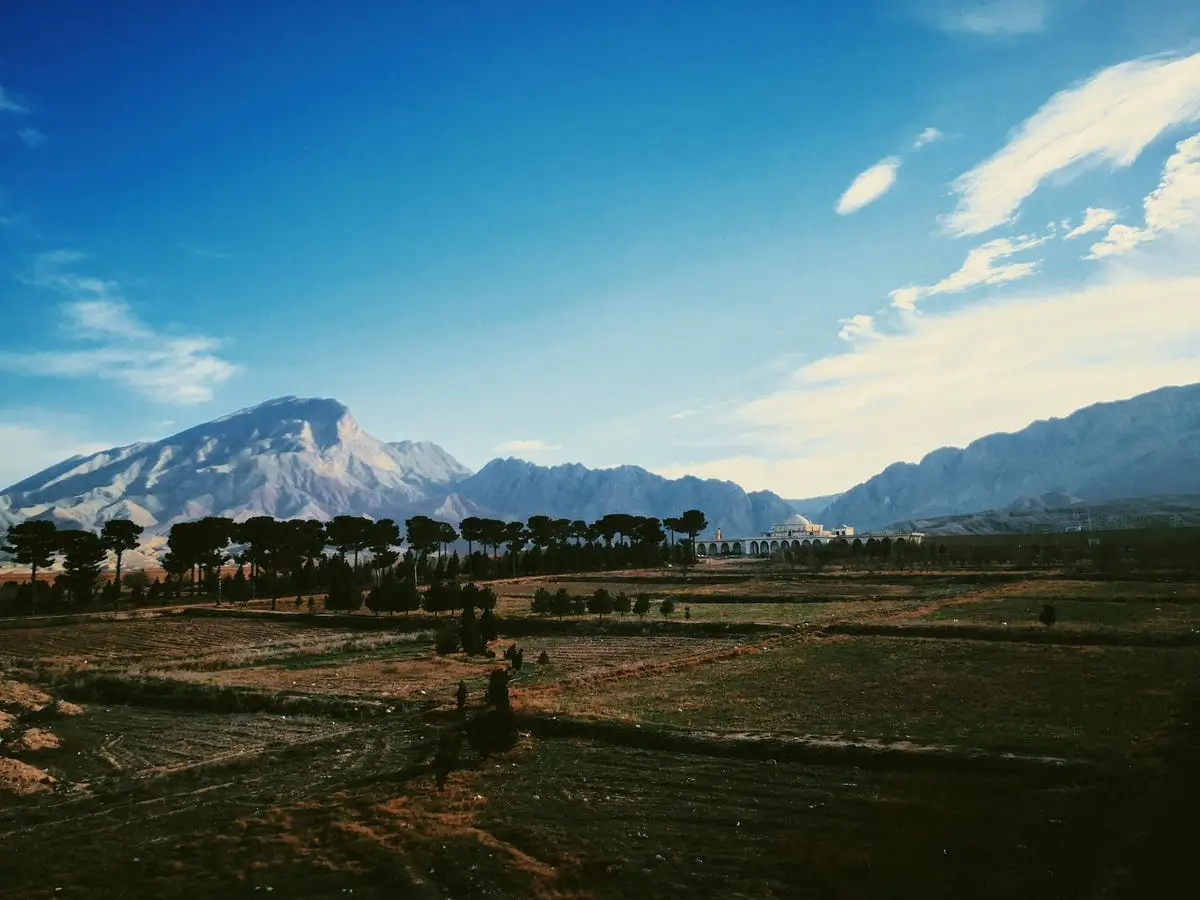
Chimtal District
This verdant district is characterized by its extensive agricultural lands and irrigation systems dating back centuries. The area produces wheat, melons, and various vegetables, showcasing traditional farming methods.
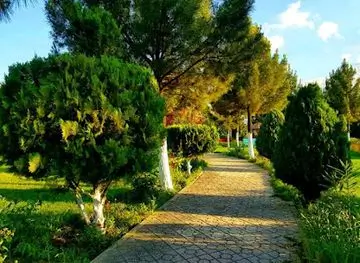
Khalid Bin Walid Family Park
Located in the heart of Mazar-i-Sharif, this well-maintained park offers a peaceful retreat with lush gardens, walking paths, and recreational facilities for families. The park is particularly beautiful in spring when flowers bloom.
Seasonal Natural Beauty
Spring (March-May)
Fresh Air, Blooming flowers, and moderate temperatures make spring the ideal time to visit.
Summer (June-August)
Hot days but pleasant evenings. Fruit harvests and agricultural activities are in full swing.
Autumn (September-November)
Mild weather with beautiful changing colors in the surrounding countryside and harvest festivals.
Winter (December-February)
Cold with occasional snow, offering a different perspective of the region's beauty. The Blue Mosque against snow is particularly striking.
Culinary Delights of Mazar-i-Sharif
Explore the rich and diverse flavors of traditional Afghan cuisine that make Mazar-i-Sharif a food lover's paradise. From aromatic rice dishes to delicate dumplings, each dish tells a story of cultural heritage and culinary mastery.
Qabuli Palaw
The crown jewel of Afghan cuisine, Qabuli Palaw features fragrant basmati rice cooked with tender lamb, topped with caramelized carrots, raisins, and nuts. In Mazar-i-Sharif, this dish is often prepared for special occasions and celebrations.
Mantoo
These delicate steamed dumplings are filled with seasoned ground meat and onions, then topped with split pea sauce, garlic yogurt, and dried mint. In Mazar-i-Sharif, local chefs are known for their particularly thin dumpling wrappers.
Bolani
A savory stuffed flatbread that's a favorite street food in Mazar-i-Sharif. Typically filled with seasoned potatoes, leeks, or pumpkin, then pan-fried to golden perfection. Locals enjoy it with fresh yogurt and a sprinkle of dried mint.
Ashak
These delicate dumplings are filled with leeks or chives and topped with a garlicky yogurt sauce, dried mint, and a meat sauce. In Mazar-i-Sharif, Ashak is often served during special occasions and celebrations as a symbol of prosperity.
Eshliki
A traditional pastry from northern Afghanistan, Eshliki features a flaky dough filled with a mixture of ground meat, onions, and aromatic spices. In Mazar-i-Sharif, it's often enjoyed as a hearty breakfast or afternoon snack with green tea.
Kebab
Mazar-i-Sharif is famous for its succulent kebabs, especially Chapli Kebab and Tikka Kebab. Marinated in a blend of local spices and grilled over open flames, these kebabs are typically served with fresh naan bread, grilled tomatoes, and a side of chutney.
Dogh
A refreshing yogurt-based drink popular in Mazar-i-Sharif, especially during hot summer months. Flavored with dried mint, salt, and sometimes cucumber, Dogh is the perfect accompaniment to spicy Afghan dishes and helps cool the palate.
Firni
A beloved Afghan dessert made from ground rice pudding flavored with cardamom, rosewater, and saffron. In Mazar-i-Sharif, Firni is often garnished with crushed pistachios and almonds, and served chilled in small clay dishes for special occasions.
Sheer Yakh
A traditional Afghan ice cream with a unique texture, flavored with cardamom, rosewater, and pistachios. In Mazar-i-Sharif, it's a popular treat during the hot summer months, especially around the Shrine of Hazrat Ali during festivals and celebrations.
Photo & Video Gallery
Visual glimpses of Mazar-i-Sharif's beauty and cultural heritage.
Travel Tips
Essential information to help you plan your visit to Mazar-i-Sharif and make the most of your experience.
Best Time to Visit
-
Spring (March-May): The best time to visit since the weather is pleasant, and the landscapes are lush and green with flowers blooming.
-
Autumn (September-November): Another good time with mild temperatures and fewer tourists.
-
Avoid summer months (June-August): when temperatures can be extremely hot.
Cultural Etiquette
-
Dress modestly: Men and women are expected to dress modestly in accordance with Islamic and cultural traditions. Men commonly wear Perahan Tunban, while women wear modest Islamic clothing that covers the entire body, including a hijab or headscarf.
-
Remove shoes: When entering mosques or someone's home.
-
Ask permission: Before taking photos of people. and It is strongly recommended not to talk to women directly without permission.
Local Experiences
-
Visit the bazaars: Explore the traditional markets to purchase handcrafted items, carpets, and local products.
-
Try local cuisine: Sample Uzbek-influenced dishes like Qabuli Palaw (rice with meat and carrots), Mantoo (dumplings), and Bolani (stuffed flatbread).
-
Attend local events: If possible, experience buzkashi, the traditional horseback game played in winter, which is a thrilling cultural spectacle unique to the region.
Practical Information
-
Currency: The Afghan Afghani (AFN) is the local currency. While credit cards are rarely accepted, several banks in the city have recently installed ATMs, making it easier to access cash—so be prepared accordingly.
-
Transportation: Taxis and rickshaws are common for getting around the city. Consider hiring a local guide for visiting sites outside the city.
-
Accommodation: Several hotels are available in the city center, ranging from budget to mid-range options.
Suggested Itinerary
Day 1: City Exploration
- Morning: Visit the Blue Mosque
- Afternoon: Explore the city bazaars
- Evening: Relax at Khalid Bin Walid Park (If available)
Day 2: Historical Journey
- Morning: Day trip to ancient Balkh
- Afternoon: Visit the Tomb of Rabia Balkhi
- Evening: Traditional dinner in the city
Day 3: Natural Beauty
- Morning: Excursion to Sholgara District
- Afternoon: Visit local orchards (seasonal)
- Evening: Return to city for shopping
Where is Mazar-i-Sharif?
Explore the map below to see the location of Mazar-e Sharif — a historic city in northern Afghanistan known for its cultural heritage and iconic Blue Mosque.